




If you are shipping goods to West Africa for the first time, the CTN certificate is likely one of the first compliance requirements you will encounter, and one of the least self-explanatory.
This guide explains exactly what a CTN certificate is, which countries require it, when it must be issued, what it contains, and what happens if you do not have one.
What Is a CTN Certificate?
CTN stands for Cargo Tracking Note. It is an electronic certificate used to track cargo from the UK port of origin to the destination port in West or Central Africa. The CTN system is operated by the port authority of the destination country and is used for port security, revenue tracking, customs pre-clearance, and trade statistics.
The CTN goes by different names depending on the destination country. CTN or BESC (Bordereau Electronique de Suivi des Cargaisons) is used for Nigeria, Cameroon, Benin, Togo, and DR Congo among others. ECTN (Electronic Cargo Tracking Note) is a broadly equivalent term used across the region, and in practice CTN and ECTN are often used interchangeably.
Which Countries Require a CTN?
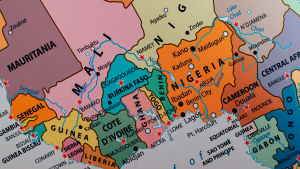
The list of West and Central African countries requiring CTN certificates includes Ghana, Senegal, Cameroon, Benin, Togo, Côte d’Ivoire, DR Congo, Congo-Brazzaville, Gabon, Equatorial Guinea, and several others. The specific requirements and issuing authorities vary by country.
When Must the CTN Be Issued?
This is the most critical detail for UK exporters to understand: the CTN must be issued and confirmed before the cargo is loaded onto the vessel at the UK port of departure. It cannot be issued after the vessel has sailed. There are no exceptions.
If your cargo arrives at a West African port without a valid CTN, it will not be released by customs. Your goods will sit in port, accruing demurrage charges, until a valid CTN is produced, a process that can take days or weeks once the cargo has already arrived at the destination.
What Does a CTN Contain?
A CTN certificate contains identifying information about the shipment including the shipper name and address, consignee name and address, vessel name and voyage number, Bill of Lading number (which must match the actual Bill of Lading exactly), port of loading and port of destination, description of the cargo, number of packages and gross weight, HS code, and the CTN reference number assigned by the issuing body.
The CTN is electronically linked to the port’s cargo management system. When your shipment arrives at the destination port, customs checks that the CTN reference exists in the system and that the details match the cargo’s Bill of Lading. Any discrepancy, even a minor one, triggers a hold.
The Most Expensive Mistake in West African Freight
The most common way the CTN causes problems is straightforward: exporters leave it too late. This happens because UK exporters who are new to West Africa freight either do not know about the CTN requirement, or they know about it but assume it can be sorted out after the vessel departs or even after arrival. It cannot.
By the time you realise the CTN has not been issued and the vessel has already sailed, there is nothing that can be done to prevent the cargo from being held at the destination port. The only options are to wait for a CTN to be issued retroactively, pay significant expediting fees where possible, or accept the demurrage costs that accumulate while the issue is resolved.
The fix is simple: make CTN procurement part of your pre-shipment checklist and ensure it is initiated as soon as you have a confirmed booking and Bill of Lading details.
Need a CTN certificate for your West Africa shipment?
Contact us to discuss your shipment.